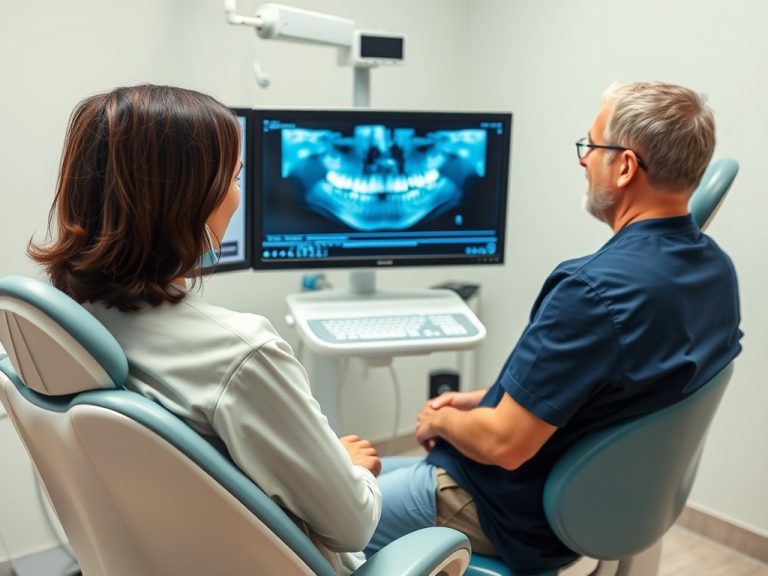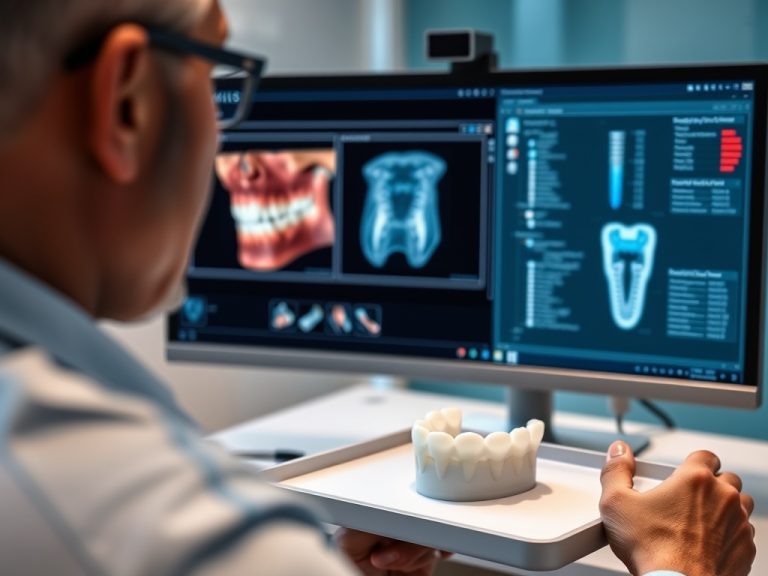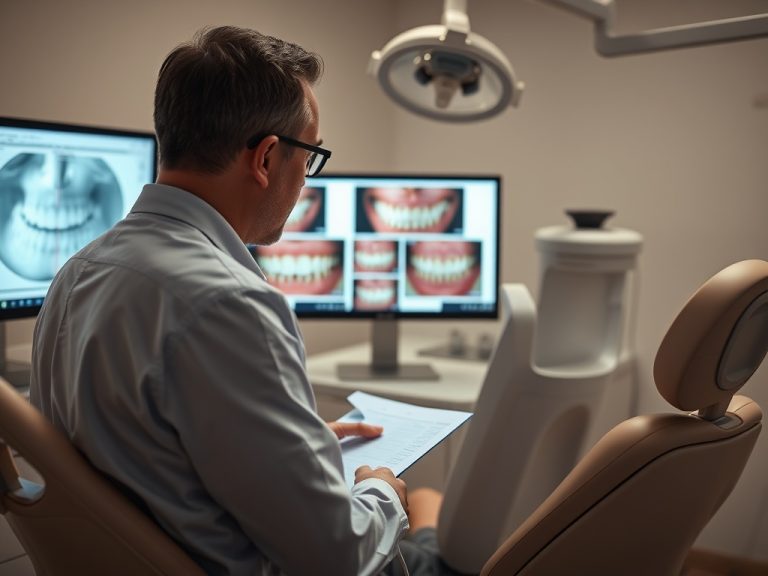
What Happens If You Don’t Replace a Missing Tooth?
Not every missing tooth causes immediate trouble, but leaving a gap can change more than appearance. Over time, nearby teeth can drift, the opposing tooth can over-erupt, chewing may become less efficient, and the bone in the area can shrink because it is no longer being stimulated the same way.
TL;DR: A missing tooth is not always an emergency, but it can become a planning problem. The longer the space is left untreated, the more the bite, bone, and future treatment choices may change.
Why a gap can affect the whole mouth
Teeth are part of a system. Each one helps hold space, share biting forces, and guide chewing. When one goes missing, the rest of the system often adapts. That adaptation is not always dramatic at first, which is why people sometimes assume the issue is mostly cosmetic.
The American College of Prosthodontists emphasizes that missing teeth affect function as well as appearance. In practice, the long-term effect depends on which tooth is missing, your bite, gum health, age, and whether other teeth are already compromised.
What may happen over time
Neighboring teeth can shift
Teeth next to the gap may tip into the space. That can make cleaning harder and change the way your upper and lower teeth meet.
The opposing tooth can move
A tooth without its usual opposite can slowly drift out of position. That may create bite interference or make future replacement more complicated.
Bone can shrink in the area
After a tooth is lost, the jawbone in that spot often begins to remodel. If the area is left empty for a long time, there may be less bone available for some replacement options later.
Chewing habits can change
Many people start favoring the other side without fully realizing it. That can overload other teeth or restorations over time.
Speech or appearance may be affected
This matters most for certain front teeth, but even back-tooth loss can change smile support or the way a person feels about chewing and smiling.
Does it matter which tooth is missing?
Yes. A missing front tooth usually affects appearance and speech sooner. A missing back tooth may seem easier to ignore, but it can quietly change chewing function and bite stability. Losing more than one tooth raises the stakes because the system has fewer ways to compensate.
The question is not only “Can I get by without replacing it?” Many people can, at least for a while. The better question is “What changes is my mouth already making because the tooth is gone?”
Planning Notes for Happens If Don’t Replace Missing Tooth
When reviewing What Happens If You Don’t Replace a Missing Tooth, the dentist should distinguish confirmed findings from uncertainties that may change the plan. Before moving forward with What Happens If You Don’t Replace a Missing Tooth, confirm alternatives, maintenance, follow-up, and signs that require earlier care as the treatment sequence is documented.
- doing nothing for a short period while monitoring movement
- using a removable temporary appliance
- protecting nearby teeth if the bite has become uneven
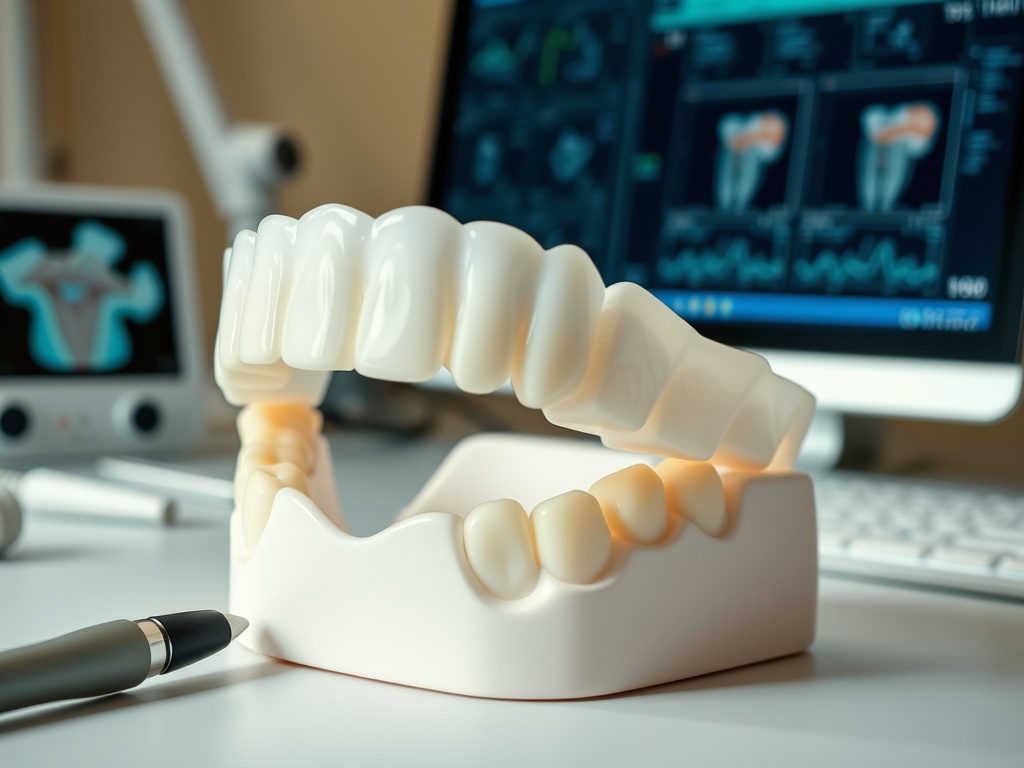
Definitive treatment may include a dental implant, a bridge, or a removable partial denture, depending on the site and the condition of nearby teeth. The treatment choice often becomes more technical if the space has been open for a long time.
Planning Notes for Happens If Don’t Replace Missing Tooth During Planning
Delaying replacement can affect:
- whether enough bone remains for an implant without added procedures
- whether neighboring teeth need adjustment because they have tipped
- whether bite correction is needed before the final replacement
- whether a bridge or removable option becomes more practical than originally expected
This is why some people who could have replaced one missing tooth relatively simply later face a more layered treatment plan.
What symptoms should not be ignored
A routine dental visit is appropriate if the tooth has been missing for a while and you mainly want to understand your options. Book sooner if you notice:
- shifting teeth
- food trapping in the gap
- chewing discomfort
- worsening gum irritation around neighboring teeth
- changes in the way your teeth meet
- a tooth above or below the gap seeming to move
Urgent dental care is more appropriate if the tooth was lost recently because of trauma, you have swelling or infection, or the area is very painful.
Which replacement option may fit best?
The best option depends on the space and surrounding teeth. For example, a dental implant can replace one tooth without using the neighboring teeth for support, but that does not mean it is automatically right for everyone. A bridge can be effective in the right case, especially if nearby teeth already need crowns.
If implant placement is part of the discussion, the technology used to place it may come up too, which is where guided implant surgery vs freehand placement: what changes for patients becomes relevant.
A simple comparison to discuss with your dentist
| Concern | If you replace sooner | If you wait longer |
|---|---|---|
| Tooth movement | Less time for shifting | More chance of tipping or over-eruption |
| Bone support | Often easier to preserve | May shrink and complicate options |
| Bite function | More likely to stay stable | Can become less predictable |
| Treatment complexity | Sometimes simpler | May require extra planning |
How dentists evaluate the space
A dentist usually wants to know:
1. Why the tooth was lost
2. How long the space has been open
3. Whether nearby teeth are healthy
4. How the bite has changed
5. Whether bone and gum support are still favorable
Those details shape both timing and method. In some cases, the better first step is not replacement itself but stabilizing decay, gum disease, or bite problems around the area.
Why restoration choices upstream matter
Sometimes a missing tooth is the end result of a tooth that could no longer be repaired. That is why discussions about saving structure earlier, such as inlay vs onlay vs crown: which repair is right for the tooth, matter before a tooth reaches the point of extraction.
Planning Notes for Happens If Don’t Replace Missing Tooth Before Treatment
Before moving forward with What Happens If You Don’t Replace a Missing Tooth, confirm alternatives, maintenance, follow-up, and signs that require earlier care while comfort and function are assessed. Good planning for What Happens If You Don’t Replace a Missing Tooth combines clinical findings with the outcome the patient values most.
Mistakes to Avoid With Happens If Don’t Replace Missing Tooth
For Happens If Don’t Replace Missing Tooth, this part of Mistakes to Avoid With Happens If Don’t Replace Missing Tooth focuses on harsh home remedies, repeated temporary fixes, and delays that hide progression while the options are being narrowed, with the same details verified when maintenance is discussed. The clinician should also explain which action could worsen pain, swelling, bleeding, fit, or tissue damage for Happens If Don’t Replace Missing Tooth while the expected outcome is clarified, using the examination and health history rather than a general assumption.
Mistakes to Avoid With Happens If Don’t Replace Missing Tooth During Planning
For Happens If Don’t Replace Missing Tooth, the section on Mistakes to Avoid With Happens If Don’t Replace Missing Tooth should address harsh home remedies, repeated temporary fixes, and delays that hide progression while comfort and function are assessed, with those details checked again while the options are being narrowed.