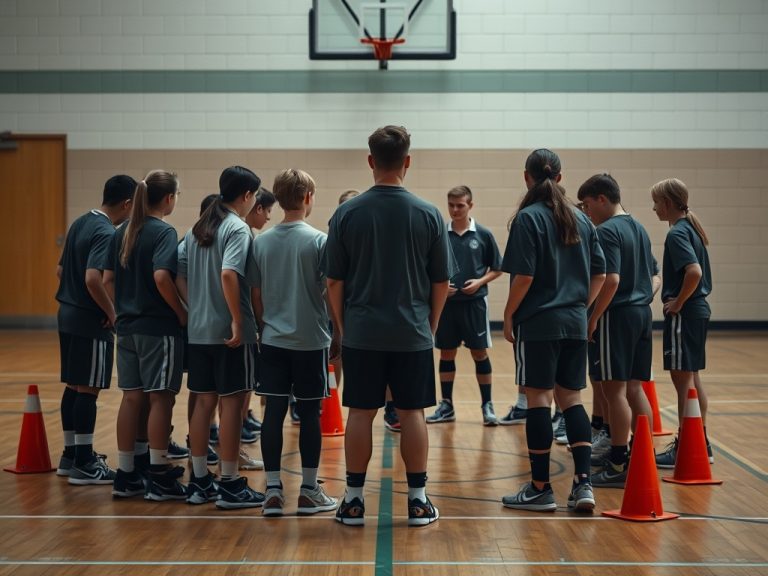
Virtual reality is being used in sports to simulate decisions, repeat visual scenarios, support rehabilitation exercises, and collect performance feedback. It is useful as a supplement, not a replacement for coaching, physical practice, or medical care.
Key takeaway: VR can help athletes rehearse perception, reaction, confidence, and controlled rehab tasks in repeatable environments. Its value depends on the sport, the software, the athlete’s stage, and whether the tool is connected to real-world coaching or clinical goals.
What VR Adds to Sports Practice
Traditional practice is limited by space, fatigue, opponents, weather, and safety. VR can repeat scenarios without needing a full field, court, or roster. A quarterback can review coverage looks, a goalkeeper can read shot cues, a batter can practice pitch recognition, or a racer can rehearse course awareness. The biggest advantage is repeatability.
Research is still developing. A recent systematic review in Frontiers in Sports and Active Living examined VR and sports performance, reflecting growing interest but also the need to judge tools by evidence, not novelty.
Decision Training Is the Natural Fit
VR is strongest when the goal is perception and decision making. Athletes can practice reading body position, spacing, timing, and tactical cues. This is valuable in sports where decisions happen faster than full verbal instruction: soccer, basketball, hockey, baseball, motorsport, combat sports, and esports.
The limitation is transfer. Seeing a virtual cue is not the same as executing a movement against a real opponent while tired. Coaches should connect VR sessions to field or court work. A session might introduce a pattern, then practice it physically, then review it in film.
How VR Supports Rehab
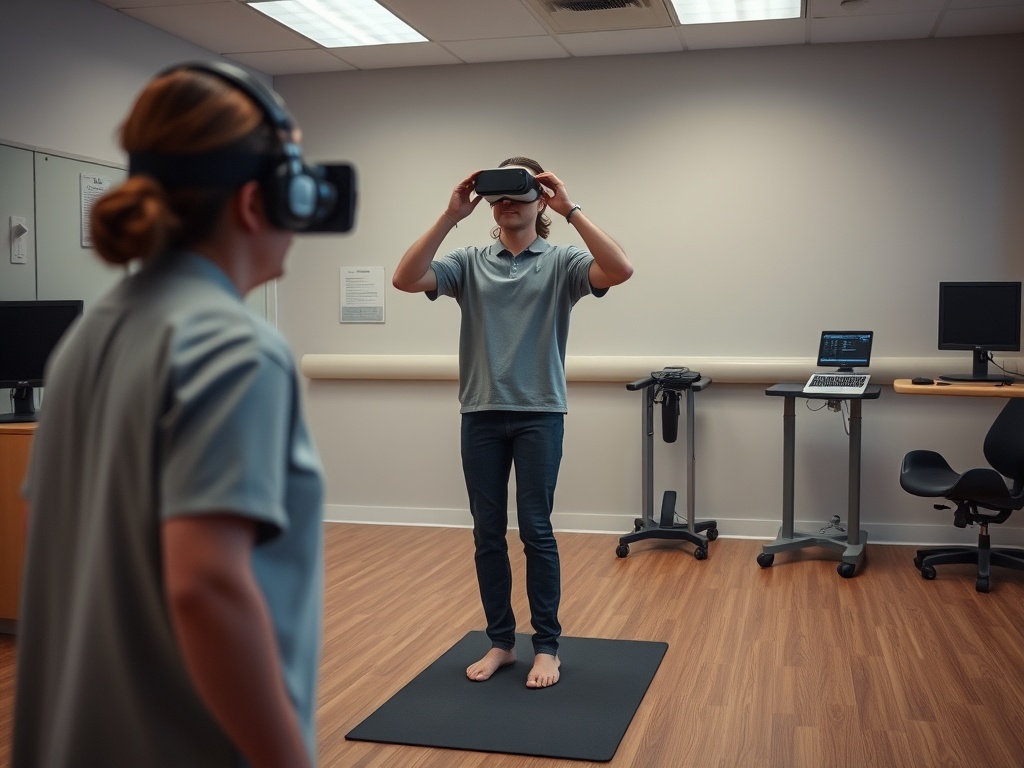
In rehab, VR can make controlled movement more engaging and measurable. A patient may reach, balance, step, or react inside a guided environment while the system tracks range, timing, or accuracy. This can help motivation because rehab repetitions can feel repetitive.
A systematic review on VR in athlete rehabilitation noted potential benefits while also pointing to the need for more strong evidence and careful application. The safest view is balanced: VR can support rehab tasks, but a qualified clinician should define goals, limits, progression, and safety checks.
Useful Applications by Role
Players may use VR for visual repetition, confidence, and tactical recognition. Coaches may use it to teach spacing, decision points, or pre-game preparation. Medical teams may use it to support controlled rehab or confidence during return. Fans and broadcasters may use immersive tools to experience replays, venue views, or training stories.
The same technology logic appears in broader sports tools. Just as event apps improve fan logistics and venues use data to attract events, VR becomes valuable when it solves a real job, not when it is added for attention.
Trade-Offs Teams Should Consider
Cost, motion sickness, headset fit, hygiene, software quality, sport realism, data privacy, and staff time all matter. A cheap tool that athletes use consistently may beat an expensive system that sits in storage. A high-end system may be worth it if it connects directly to performance goals and coaching workflows.
Data privacy should not be ignored. VR systems may collect movement, reaction, and usage data. Teams should know who owns the data, how it is stored, and whether athletes understand what is being tracked.
How to Evaluate a VR Program
Ask five questions before adopting VR: What performance or rehab problem does it solve? What real-world behavior should improve? Who supervises it? How will progress be measured? What risks or limitations exist? If those answers are vague, the program is not ready.
A useful trial period is better than a big launch. Start with a small group, define success markers, collect athlete feedback, and compare training outcomes with normal practice. Then decide whether to expand.
Where VR Is Headed Next
VR will likely become more connected with motion tracking, eye tracking, AI-assisted feedback, and remote coaching. That could help athletes access high-quality scenarios outside elite facilities. It could also create noise if teams buy tools faster than they build good training methods.
For your next step, treat VR as a question, not a promise: which repeatable scenario would help this athlete make better decisions or move with more confidence? Start there, then choose the tool only if it serves that goal.
When VR Belongs in the Training Week
VR works best when it has a defined slot in the week. For example, a team might use it before tactical field sessions, after film review, or during rehab when physical load must stay controlled. Random use makes the tool feel exciting at first and forgettable later. Planned use makes it part of learning.
Coaches should keep sessions short enough to protect focus and comfort. Athletes can record one takeaway after each session: a cue they read faster, a decision they missed, or a movement they want to test in real practice. This bridges the gap between virtual repetition and real performance, which is where the value must eventually show up.