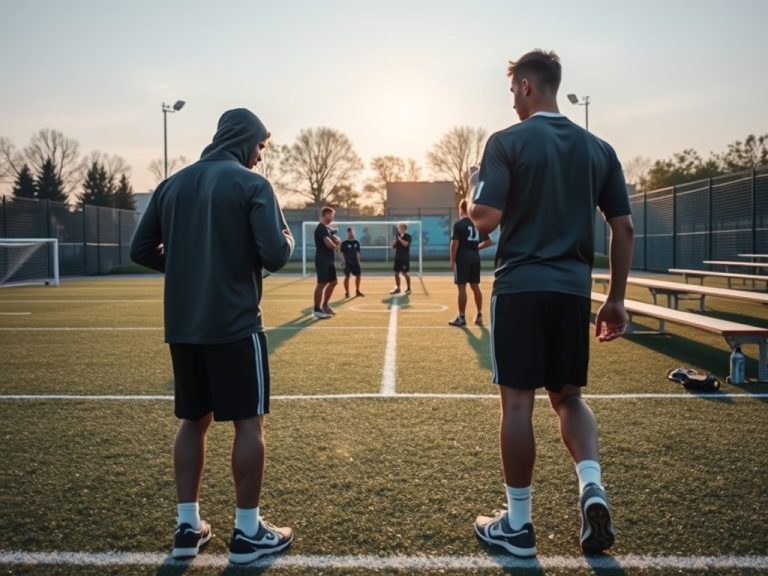
A sports venue becomes attractive to sponsors and events when it combines audience fit, reliable operations, strong fan experience, flexible spaces, measurable exposure, and a clear commercial story. Capacity alone is not enough.
Key takeaway: Sponsors want the right audience and proof of engagement. Event organizers want safe operations, flexible logistics, strong attendance potential, and reliable partners. The best venues make both groups feel that risk is controlled and value is measurable.
A Venue Is a Platform, Not Just a Building
A stadium, arena, or complex is more than seats and scoreboards. It is a platform for attention, hospitality, media, community identity, and commercial partnerships. Sponsors want to know who attends, how often they engage, what the venue can activate, and how results will be reported. Event owners want to know whether the site can deliver a smooth show.
Professional groups such as the International Association of Venue Managers focus on venue-management education and industry connection because operations, safety, guest experience, and commercial partnerships all overlap. A beautiful venue with poor operations is a risky event partner.
Audience Fit Comes Before Logo Placement
Sponsors rarely buy exposure in the abstract. They want access to a specific audience: families, students, business guests, local fans, premium buyers, youth sports communities, or a niche sport culture. A smaller venue with a highly engaged audience may be more valuable than a larger venue with weak alignment.
The sponsor question is not only “How many people will see us?” It is “Will the right people notice, care, and connect the brand with a useful experience?” That is why fan data, attendance patterns, dwell time, and repeat visits matter.
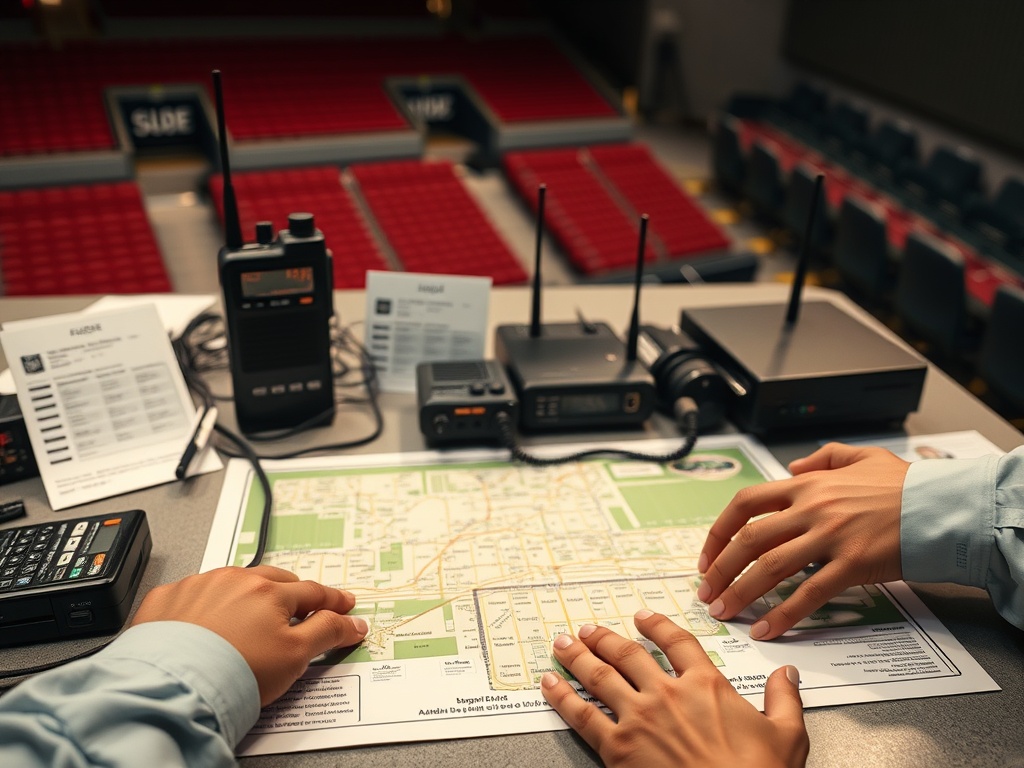
Operations Make the Commercial Promise Believable
Event owners evaluate load-in access, parking, security, staffing, locker rooms, broadcast positions, medical plans, weather contingencies, concessions, ticket scanning, Wi-Fi, cleaning, and exit flow. Sponsors care too because a bad fan experience can damage the sponsor’s association with the event.
This connects to the fan side of ticketing, parking, and live update apps. Digital convenience is now part of the venue product. If entry is slow, parking is confusing, or alerts are unclear, the venue loses commercial credibility.
Activation Space Is More Valuable Than Static Signage
Traditional signage still matters, but many sponsors want interaction: sampling areas, family zones, hospitality lounges, social content moments, youth clinics, community nights, or data-supported promotions. A venue that has flexible concourses, plazas, suites, meeting rooms, or outdoor space can offer more than a logo placement.
Activation should feel natural to the event. A health brand might support hydration stations at a summer tournament. A local restaurant might support a fan plaza. A technology sponsor might support live updates or connectivity. Forced activations are easy to ignore.
Measurement Helps Sponsors Renew
Sponsors need post-event reporting: attendance, scans, impressions, engagement, hospitality usage, content reach, lead capture where appropriate, and fan feedback. Venue teams do not need perfect data to begin, but they do need consistent reporting.
Industry research such as Nielsen’s Global Sports Report highlights the importance of sponsorship strategy and measurement frameworks. For venues, this means proof matters. A renewal conversation is easier when both sides can see what happened.
What Event Organizers Look For
Event organizers want fewer surprises. They look for clear costs, reliable contacts, good local market reach, equipment availability, backup plans, and a venue team that solves problems quickly. They also care about athlete or performer areas, officials’ rooms, media needs, accessibility, and medical readiness.
For sports events, the venue also shapes competition quality. Lighting, surfaces, warm-up space, temperature control, and crowd flow affect athletes and fans. A strong venue can support performance, safety, and broadcast quality at the same time.
A Venue Attractiveness Checklist
Strong venues can answer these questions: Who is the audience? What sponsor categories fit naturally? What spaces can be activated? How smooth is arrival and entry? What data is available? How are safety and medical needs handled? What makes the venue distinct in the market?
For a practical next step, create a one-page venue value map with audience, assets, operations strengths, sponsor opportunities, and reporting metrics. Sponsors and event owners respond to clarity because it reduces risk and makes the opportunity easier to evaluate.
Questions a Venue Pitch Should Answer
A strong venue pitch answers the practical questions before sponsors ask them. Who attends? What moments create attention? Where can a sponsor interact without blocking movement? What assets are included? How will success be reported? What operational risks are already planned for? The clearer the answers, the easier it is for a sponsor to compare the opportunity with other media or event spending.
Event organizers need a similar level of clarity. They want timelines, staffing contacts, load-in rules, technical limits, weather plans, medical procedures, and cost transparency. A venue that communicates well during the sales process signals that it will communicate well during the event. That trust can be as valuable as physical capacity.