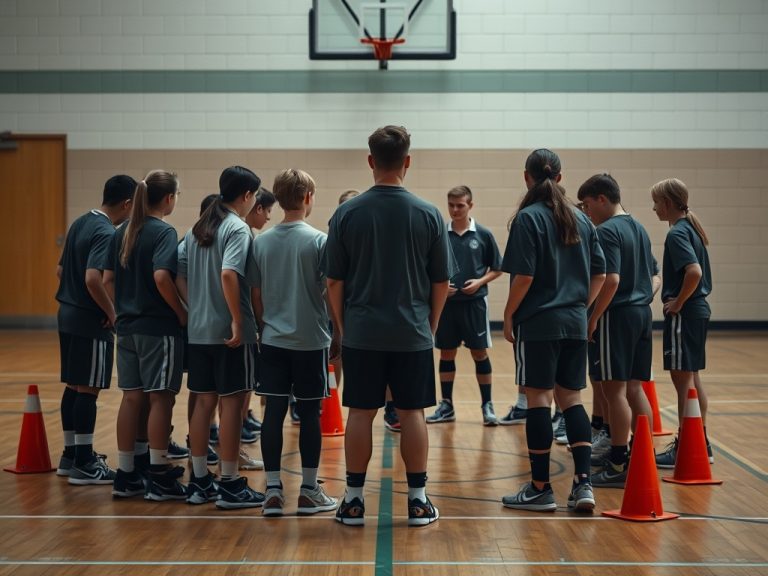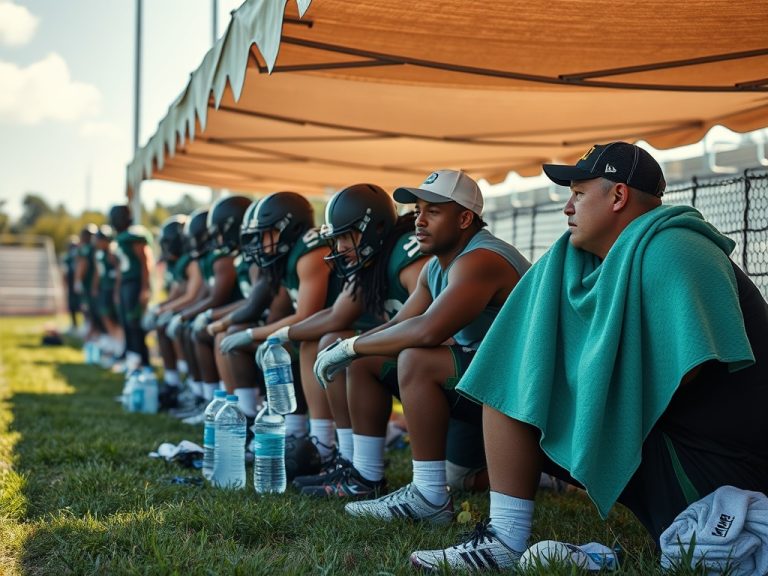
The main change from amateur to professional sport is not talent alone. It is the entire operating system around the athlete: pay, contracts, training time, public exposure, medical support, selection pressure, and accountability to an organization.
Key takeaway: Amateur sport usually centers on participation, development, school or club identity, and eligibility rules. Professional sport centers on paid performance, contracts, commercial obligations, and results-based evaluation. The playing rules may look similar, but the athlete’s daily life changes dramatically.
The Core Difference Is the Athlete’s Role
In plain language, an amateur athlete usually competes without sport being their primary paid occupation. A professional athlete is paid because of athletic performance, team value, entertainment value, or commercial rights. That sounds simple, but the line has become less clean in college, Olympic, and semi-professional environments. Name, image, and likeness opportunities, stipends, grants, appearance fees, and sponsorships can make amateur systems feel more commercial without turning every athlete into a full professional.
A useful way to think about amateur and professional sports is to ask who controls the athlete’s time and why. In amateur settings, athletes may build training around school, work, family, or community teams. In professional settings, the team, league, agent, sponsor, and media schedule often shape the calendar. Performance is no longer one part of life; it becomes the job.
What Changes in Rules, Eligibility, and Money
The sport’s playing rules may stay nearly identical. A basketball free throw, a tennis serve, or a 100-meter sprint does not become a different skill because an athlete turns professional. What changes is the rule framework around eligibility, compensation, and representation. In college sport, for example, eligibility and recruiting rules are controlled by governing bodies such as the NCAA. In international sport, national federations and event organizers may apply their own selection and participation standards.
Money changes incentives. A professional contract can include salary, bonuses, appearance duties, image rights, health coverage, travel standards, conduct clauses, and termination terms. Amateur support may include scholarships, grants, travel stipends, equipment, coaching access, or prize restrictions. Newcomers often assume “amateur” means low level and “professional” means elite. That is not always true. Some amateur competitions include world-class athletes, while some paid leagues operate below the highest global standard.
Training Becomes a Full-Time System
At the amateur level, training often depends on available facilities, volunteer coaches, school schedules, and personal discipline. A strong amateur may still train at high intensity, but the support system can be uneven. Professionals are usually surrounded by a larger performance staff: strength coaches, sport coaches, medical staff, analysts, nutrition support, travel coordinators, and sometimes mental performance specialists.
This does not mean every professional setting is perfect. Lower-tier professional athletes may face unstable pay, limited health resources, and heavy travel. The real difference is that training is judged as work output. A missed session, poor recovery habit, or repeated technical error becomes part of a performance review, not just a personal setback.

Common Misunderstandings About the Label
One misunderstanding is that amateurs are casual and professionals are serious. Many amateurs are highly serious. Youth national-team athletes, college athletes, elite chess players, and Olympic hopefuls may train with professional discipline long before earning a stable income from sport. The better distinction is not seriousness; it is the legal, financial, and organizational structure surrounding the athlete.
Another misunderstanding is that going professional removes pressure. It usually changes pressure. Amateur pressure may come from selection, scholarships, family expectations, or personal ambition. Professional pressure comes from contracts, roster spots, public criticism, sponsor duties, and the knowledge that poor results can affect income. Athletes moving up often need help with scheduling, communication, and recovery as much as they need more advanced drills.
A Practical Comparison for New Fans and Athletes
The table below keeps the distinction simple without pretending every sport works the same way.
| Aspect | Amateur setting | Professional setting |
|---|---|---|
| Primary purpose | Development, participation, school, club, or representative competition | Paid performance, entertainment, and organizational results |
| Compensation | Often limited or indirect, depending on rules | Salary, prize money, bonuses, sponsorships, or contracts |
| Control of schedule | Athlete, school, family, or club share control | Team, league, sponsor, and media demands have more influence |
| Support staff | Varies widely | Usually more specialized and structured |
| Public scrutiny | Local or community level for many athletes | Media, fans, sponsors, and management review performance |
How to Decide Which Path Fits
For athletes and families, the question is not “How do I become professional as fast as possible?” A better question is “What environment helps the athlete improve without losing health, education, or motivation?” Some athletes benefit from a longer amateur pathway because they need physical development, competitive experience, and emotional maturity. Others may be ready for a paid environment earlier because their sport has a clear development ladder.
Use the distinction as a planning tool. If the athlete is still building fundamentals, review a first-season planning approach before chasing labels. If equipment or training tools are becoming part of the decision, compare practical choices such as golf rangefinders and GPS watches through usefulness, not status.
What This Means Going Forward
Amateur and professional sport sit on a spectrum. The label matters because it affects rules, expectations, money, and support. It should not be used as a simple judgment of talent or commitment.
For a neutral next step, map the athlete’s current goals, schedule, support system, and health needs before deciding which competitive level makes sense. The right pathway is the one that supports steady progress, not just a more impressive label.
Reality Check Before Chasing the Next Level
A helpful self-audit is to compare the athlete’s current week with the week they imagine at the next level. How many hours are already spent on training, recovery, travel, review, school, work, or family responsibilities? Which parts are energizing, and which parts already create strain? This avoids romanticizing the professional label. The athlete may love competition but dislike constant travel, public judgment, or the loss of control over the calendar.
Families should also ask what support would be needed if the level changes. A higher league may require better recovery habits, more precise nutrition, more formal communication, and stronger time management. The next level is not only harder opponents. It is a different set of responsibilities around the sport. When athletes understand that difference early, they can prepare with less shock and make choices that protect both performance and long-term well-being.