The easiest way to rotate seasonal decor without clutter is to limit each season to a defined storage capacity, group items by the place where they are used, and complete the put-away process before bringing the next season fully into the room. A consistent container, label, cleaning, and inventory routine prevents decorations from spreading across closets, garages, and spare rooms.
TL;DR: Decide how much storage space seasonal decor is allowed to occupy, sort by room or display zone, clean and dry everything before packing, use stable containers sized to the contents, protect fragile and textile pieces appropriately, and keep a simple inventory so you know what you already own before buying more.
Set a Storage Limit Before You Sort
Seasonal clutter grows when the collection has no boundary. Instead of asking how many bins you need for everything you own, decide which shelf, closet section, cabinet, or storage rack the category is allowed to occupy. That capacity becomes the editing limit.
A practical system might reserve one group of bins for winter holidays, one for autumn, one for spring, and one smaller container for flexible items such as neutral candles, table linens, or outdoor accents. The exact number is personal. The useful rule is that the storage location should be easy to access without moving unrelated household items every season.
When a category exceeds its space, review duplicates, damaged pieces, objects you no longer display, and bulky packaging that is not needed for safe storage. Keep sentimental or fragile items deliberately rather than letting them become mixed with replaceable filler decor.
Sort by Display Zone, Not Just Holiday
Packing by holiday sounds logical, but packing by room or use location can make the next setup faster. One bin can hold dining-table linens, napkin rings, and a centerpiece base. Another can hold mantel or shelf decor. Outdoor items can stay separate from indoor textiles and paper goods.
This approach also reduces the risk of unpacking every container to find one small piece. If you already think about rooms as functional zones, the same idea appears in proper area-rug sizing: define the area of use first, then choose what belongs there.
Before packing, create three groups: keep and store, donate or give away, and discard or recycle where appropriate. Do not use storage bins as a way to postpone obvious decisions about broken lights, cracked ornaments, stained fabric, or decor that has not been used for several years.
Clean and Dry Before Packing
Dust, food residue, moisture, and plant material can create problems during long storage. Wipe hard decor according to its material, launder washable textiles, and make sure items are completely dry before sealing them in a container.
Moisture is especially important in basements, garages, sheds, and other variable environments. The U.S. Environmental Protection Agency’s home moisture and mold guidance emphasizes moisture control as the key to limiting mold growth. That does not mean every seasonal item needs museum conditions, but it does mean damp textiles and cardboard should not be sealed away and forgotten.
Avoid storing items directly against a known damp wall or on a floor that can take on water. Elevating containers on stable shelving can make inspection and cleanup easier if a leak occurs.
Choose Containers for the Material Inside
| Decor type | Better storage approach | Main concern |
|---|---|---|
| Fabric table linens | Clean, dry, folded with minimal compression | Moisture, staining, deep creases |
| Fragile ornaments | Divided rigid container with cushioning | Impact and abrasion |
| Wreaths and garlands | Supported container or breathable protective cover | Crushing and dust |
| Candles | Stable box in a temperature-appropriate location | Heat deformation and surface damage |
| Outdoor electrical decor | Dry, coiled, separated by set | Moisture, damaged cords, tangled wiring |
| Paper decor | Flat, dry box away from moisture | Bending, pests, humidity |
Museum-level textile care is more stringent than normal household storage, but the National Park Service’s textile conservation guidance reinforces useful principles: textiles are vulnerable to dirt, moisture, pests, abrasion, and poor handling. For heirloom fabrics or valuable decorations, more conservative storage methods may be appropriate.
Use Labels That Help at the Next Rotation
A label such as “Holiday Decor” is too broad. Better labels describe both season and destination: “Winter Dining Room,” “Autumn Front Entry,” or “Spring Mantel and Shelves.” If bins are opaque, add a short inventory such as “runner, candleholders, brass leaves, two pillow covers.”
If you automate seasonal outdoor lights, document which plug, timer, or routine belongs with each set. Keeping those controls organized also supports a cleaner outdoor-light automation plan.

Rotate One Zone at a Time
A full-house decor change becomes messy when every room is unpacked at once. Work in zones. Remove and clean the outgoing items from one area, pack them completely, wipe the display surface, then bring in the new decor for that same zone.
Use a temporary sorting basket for items that belong in another room. That keeps you from abandoning the current zone every time you find something misplaced.
Handle Fragile and Sentimental Pieces Deliberately
Do not rely on memory for which items are delicate. Give fragile ornaments their own compartments and avoid packing heavy objects on top of them. Wrap sharp-edged metal decor so it cannot snag fabric. Keep candles from pressing against paper, finished wood, or textiles if heat could soften them in storage.
Sentimental items deserve a defined home rather than being spread through multiple general bins. If a piece is valuable, irreplaceable, or made from a sensitive material, consider professional conservation advice rather than ordinary garage storage.
Create a One-In, One-Review Habit
A strict one-in, one-out rule can be too rigid for meaningful collections. A softer approach is more useful: every time you add seasonal decor, review the existing category. Ask what the new item replaces, complements, or solves. If there is no clear answer, it may simply be increasing the storage burden.
This is especially helpful after clearance sales, when low prices can lead to duplicates. Compare new purchases with your inventory first. Measure shelves and table surfaces so you buy for a real location, not for an imagined future display.
Common Rotation Problems and Fixes
Too many half-empty bins
Consolidate only if materials can safely share a container. Standardize a few bin sizes so they stack efficiently, but do not crush fragile items just to reduce container count.
Decorations smell musty when unpacked
Check the storage environment for moisture, leaks, condensation, and poor airflow. Clean affected items according to their materials and address the moisture source before repacking.
Strings, cords, and garlands become tangled
Coil each set separately and secure it with a reusable tie. Store adapters and control devices with the matching set rather than in a general electronics box.
The house still feels cluttered after decorating
Remove more everyday objects before adding seasonal layers. Seasonal decor often works better as a temporary replacement for a few regular pieces than as an addition on top of everything already displayed.
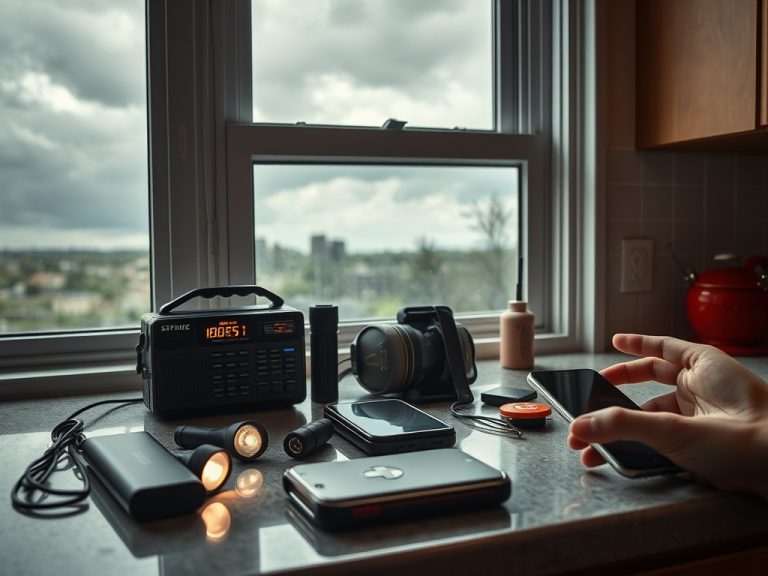
If severe weather is part of your seasonal routine, keep emergency gear separate from decorative storage. A home severe-weather alert setup should remain accessible even when seasonal bins are packed tightly nearby.
Make Rotation Easier Next Season
A good seasonal system is judged when you open it again months later. Clean and dry items before storage, group them by display zone, label containers with useful detail, and keep the total collection within a physical limit. When every bin has a purpose and every item has a destination, changing the house for a new season becomes a short series of room-level tasks instead of a whole-home excavation.
This home-storage content is for informational and educational purposes only. Valuable, historic, electrically powered, or material-sensitive decorations may require manufacturer-specific or professional storage guidance.[/