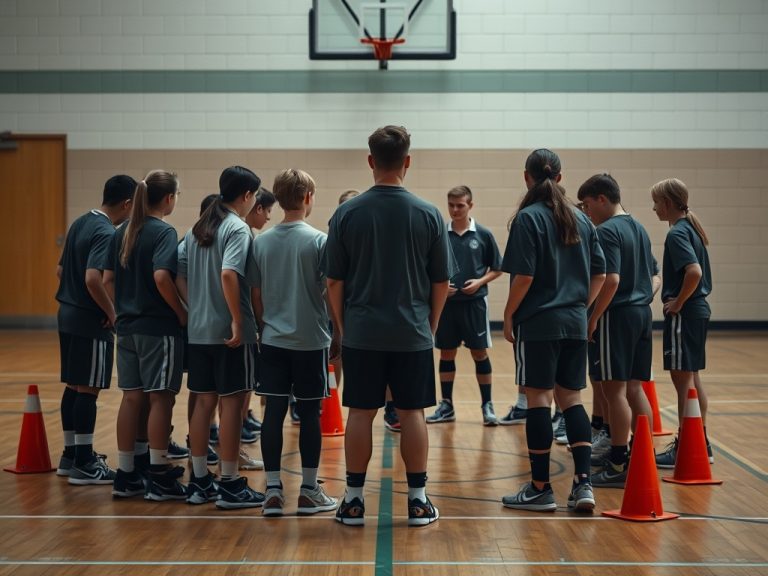
Heat illness becomes dangerous when early warning signs are ignored or treated as normal fatigue. Athletes, coaches, and parents should act early when heat, exertion, dehydration, or unusual symptoms appear together.
Key takeaway: Watch for heavy sweating, cramps, dizziness, headache, nausea, weakness, confusion, fainting, or hot skin. Stop activity, cool the athlete, move to shade or air conditioning, and seek medical help immediately for severe symptoms or mental-status changes.
Heat Illness Is a Progression, Not a Single Moment
Heat-related problems can start with cramps, thirst, unusual fatigue, headache, or dizziness. They can progress toward heat exhaustion and, in severe cases, heat stroke. The dangerous part is that early symptoms may look like ordinary hard practice. That is why teams need a plan before the hot day arrives.
The CDC heat and athletes guidance urges athletes and supervisors to learn how to spot heat-related illness and plan around local heat risk. This is especially important for preseason, tournaments, two-a-day practices, and athletes returning from time away.
Early Signs That Deserve Action
Act when an athlete has heavy sweating with weakness, dizziness, muscle cramps, headache, nausea, unusual irritability, pale or clammy skin, or trouble keeping pace. These signs do not prove a medical emergency by themselves, but they do mean the athlete needs to stop, cool down, hydrate if alert, and be observed.
Do not wait for collapse. A player who says “I’m fine” while looking disoriented, stumbling, or failing to answer simple questions is not fine. Coaches should create a culture where reporting symptoms is treated as smart, not soft.

Emergency Warning Signs
Confusion, fainting, seizures, loss of consciousness, very high body temperature, hot skin, or worsening symptoms after stopping activity require urgent medical response. Heat stroke is a medical emergency. Cooling should begin quickly while emergency help is being activated, following local protocols and trained supervision.
The CDC’s heat illness information from the National Institute for Occupational Safety and Health also lists heat stroke, heat exhaustion, heat cramps, heat syncope, rhabdomyolysis, and heat rash as heat-related illnesses. Sports settings differ from workplaces, but the warning-sign mindset is similar: recognize, remove, cool, and escalate when needed.
A Sideline Checklist for Coaches and Parents
Before practice, check heat risk, humidity, air quality, shade, water access, emergency contacts, and the cooling plan. During practice, watch athletes who are new, deconditioned, ill, poorly acclimatized, wearing heavy gear, or returning from injury. After practice, keep an eye on athletes who still feel sick, dizzy, or unusually weak.
A practical checklist can include: shade available, water breaks planned, intensity adjusted, symptoms reviewed, ice or cooling tools ready, phone access confirmed, and emergency address known. The checklist should be as normal as balls, cones, and uniforms.
Misconceptions That Put Athletes at Risk
One myth is that fit athletes are safe. Fitness helps, but heat illness can affect trained athletes, especially during sudden heat, high humidity, illness, travel, or poor acclimatization. Another myth is that thirst is the only signal. Some athletes are already in trouble before they feel strong thirst.
A third myth is that mental toughness means pushing through. In heat illness, pushing through can turn a manageable problem into an emergency. Teams that value accountability should include safety communication in their standards, just like effort and focus.
Connect Heat Safety to Training Plans
Heat risk should shape training volume, rest intervals, clothing, equipment, and timing. Coaches can move sessions earlier, shorten high-intensity blocks, add shade breaks, or split skill work from conditioning. Athletes returning from injury may need extra caution because conditioning and heat tolerance can drop during time away.
That is why heat safety belongs beside return-to-play planning and team accountability habits. Safety is not separate from performance. It protects the athlete’s ability to train tomorrow.
The Action Rule to Remember
When symptoms appear, stop first and evaluate second. Move the athlete out of heat, begin cooling, hydrate only if the athlete is alert and able to drink safely, and call for medical help when symptoms are severe or mental status changes.
For your next practice, review the warning signs with athletes before warm-up. The best emergency plan is the one everyone understands before anyone needs it.
A Two-Minute Heat Briefing for Teams
Before hot practices, coaches can give a two-minute briefing: today’s conditions, planned water breaks, shade location, symptoms to report, and who to tell if someone feels wrong. This briefing should be calm and routine. Athletes are more likely to speak up when safety language is normal instead of saved for emergencies.
Pair athletes during high-risk sessions so they check each other’s behavior, not just thirst. A teammate may notice confusion, stumbling, silence, or unusual irritability sooner than a coach across the field. Buddy checks are not a replacement for medical planning, but they add another layer of awareness. In heat, early action is the advantage.