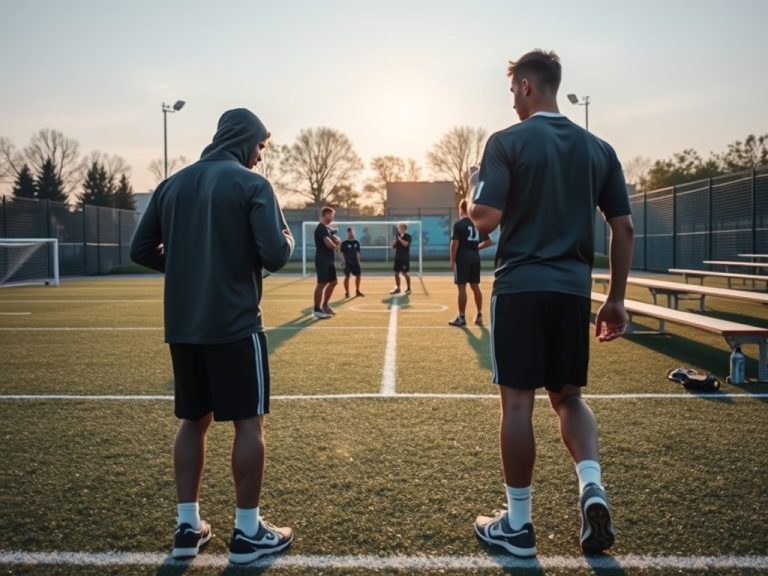
College recruiting starts earlier than most families think, but not because young athletes need to chase offers in middle school. It starts with grades, development habits, honest level assessment, coach communication, and a realistic sport pathway.
Key takeaway: Recruiting is not a single showcase moment. It is a long evidence trail: academic eligibility, skill growth, competitive fit, video, communication, character, and timing within each sport’s rules. Families go wrong when they chase exposure before readiness.
Recruiting Starts With Readiness, Not Publicity
The biggest myth is that recruiting begins when a college coach first watches an athlete. In reality, the process begins when the athlete starts building the record a coach will later evaluate. That includes grades, course choices, training consistency, coachability, competition level, and healthy habits.
Official recruiting calendars and rules vary by division and sport. The NCAA recruiting calendars show when certain contact and evaluation periods apply. Families should use those rules as guardrails, not as a reason to panic.
What Coaches Are Actually Trying to Learn
College coaches are not only asking, “Is this athlete talented?” They are asking, “Can this athlete help our program, handle the academic environment, stay healthy, improve, and fit our roster needs?” Talent gets attention, but fit keeps the conversation alive.
A highlight video may start interest, but full-game context, verified results, communication, and references often matter more. Coaches want to know how an athlete responds after mistakes, competes without the ball, trains when nobody is watching, and treats teammates. That connects directly to accountability and effort culture at the team level.

The Timeline Families Should Think About
In early years, the priority is broad athletic development, joy, fundamentals, and safe training volume. In the first high-school years, athletes should build academic habits, learn their level, collect honest feedback, and begin organizing basic video. Later, the process becomes more targeted: school research, coach emails, camps, showcases, unofficial visits, and application planning.
The exact timing depends heavily on the sport. Some sports identify athletes earlier because physical markers or competition structures make early evaluation common. Other sports recruit later because athletes develop later or rosters turn over differently. A family should not copy a timeline from another sport without checking the rules and market.
Where Families Often Waste Energy
The first common error is paying for exposure before the athlete has the skill, video, or academic profile to benefit. The second is emailing too many schools with generic messages. The third is chasing Division I labels without studying roster fit, playing time, finances, or academic match. The fourth is ignoring injury history and training load while trying to attend every event.
Families also overvalue being “seen” once. Recruiting usually requires repeated evidence. A coach who sees one strong performance still needs context: grades, position needs, physical projection, character, and whether the athlete’s level translates.
Build a Better Recruiting Foundation
Start with an honest player profile: graduation year, position or event, height and weight if relevant, academic interests, GPA, test plans if applicable, key stats, video link, coach contact, and upcoming schedule. Keep it updated and accurate. Never inflate numbers. Coaches verify.
Next, build a target school list in tiers: likely athletic fit, stretch athletic fit, and developmental fit. Include academic and financial realities. If the athlete is returning from injury, connect the plan with a sensible fitness maintenance and return-to-play approach so exposure does not come before health.
Communication That Helps Instead of Hurts
Athlete-led communication matters. Parents can support organization, but coaches generally want to hear from the athlete. A useful email is short, specific, and relevant: who you are, why the school fits, your key information, your video, and your upcoming schedule.
Follow-up should add value: new film, improved times, tournament schedule, academic update, or a coach reference. Re-sending the same generic message every week can feel careless. Respect rules, timing, and the coach’s process.
A More Grounded Recruiting Mindset
The right question is not “How do we get recruited?” It is “Which programs fit this athlete’s current level, growth potential, academic goals, and well-being?” That mindset reduces wasted money and protects the athlete from constant comparison.
For the next step, create a one-page profile and ask a trusted coach for a blunt level assessment. Recruiting works better when families build readiness first and exposure second.
A Family Meeting That Reduces Confusion
Hold a short recruiting meeting before spending money on camps or showcases. The athlete, parent, and trusted coach should discuss academic goals, realistic competitive level, budget, travel limits, health status, and what kind of college environment the athlete wants. Write the answers down. This creates a filter for future decisions.
The meeting should also define who owns each task. The athlete can draft coach emails and keep the profile updated. Parents can manage calendars and finances. Coaches can give level feedback and references. When every adult does everything for the athlete, the process may look organized but fail to show maturity. College programs notice athletes who communicate clearly and take responsibility for their own path.