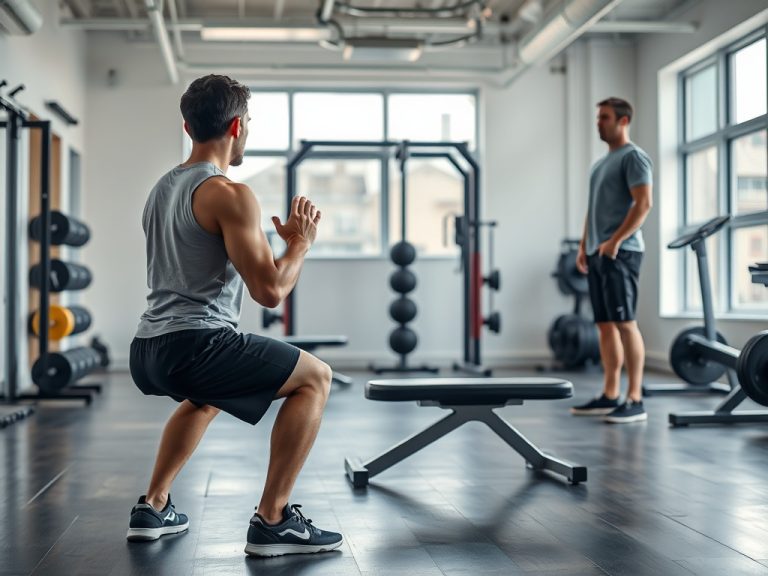
Supporting body composition during menopause means protecting muscle, bone, metabolic health, and daily function while recognizing that hormonal changes, aging, sleep, symptoms, medication, and lifestyle can influence fat distribution and weight. The most useful plan combines progressive resistance exercise, regular aerobic activity, adequate nutrition, recovery, and individualized medical care rather than promising control over every change.
TL;DR Prioritize strength and function, not only the scale. Train major muscle groups, include aerobic and weight-bearing activity as appropriate, eat regular protein-rich and nutrient-dense meals, and address sleep and menopausal symptoms with a clinician. Avoid aggressive restriction, unverified supplements, and claims that one workout or food can “balance hormones.”
Understand what is changing
Menopause marks the end of menstrual periods after the required clinical interval, but the transition can extend over years. Changes in estrogen and other hormones may affect temperature regulation, sleep, bone turnover, and where fat is stored. At the same time, muscle tends to decline with age unless it is challenged and supported.
The Office on Women’s Health provides an updated overview of menopause and symptoms. Body-composition concerns deserve context because a change in waist, weight, or strength may reflect several interacting factors, not a personal failure or a single hormone value.
Make resistance training the foundation
Resistance training asks muscle and bone to adapt to load. Use exercises for the legs, hips, back, chest, shoulders, arms, and trunk, adjusted for current ability and joint health. Machines, free weights, bodyweight, and elastic bands can all contribute when the resistance is progressed.
The Office on Women’s Health resource on sarcopenia and menopause emphasizes strength training and balanced nutrition for muscle health. It does not mean every menopausal person has sarcopenia; screening and diagnosis belong in clinical care.
Begin with two manageable full-body sessions per week if that fits your health status, then add load, repetitions, or sets gradually. The guide to progressive resistance-band training provides a home-friendly framework. Seek coaching if pelvic-floor symptoms, osteoporosis, arthritis, balance concerns, or previous injury change exercise selection.
Include aerobic, impact, and balance work appropriately
Walking, cycling, swimming, dancing, and other aerobic activities support cardiovascular health and work capacity. Weight-bearing and impact activities can provide bone-loading stimulus, but the appropriate level depends on bone density, joint health, experience, and fall risk. Someone with osteoporosis or fractures needs individualized advice before adding jumping or high-impact work.
Balance practice becomes more relevant as fall risk changes. Simple options include supported single-leg stands, heel-to-toe walking, and controlled step patterns. These activities supplement rather than replace strength training.

Eat to support muscle and overall health
Build meals around minimally processed foods that provide protein, fiber, vitamins, minerals, and enough energy to train and recover. Protein-rich choices include fish, poultry, eggs, dairy, soy foods, beans, lentils, nuts, and seeds. Distribute protein across meals rather than relying on a single large serving when practical.
Calcium and vitamin D are important to bone health, but needs and supplementation vary. Food sources may include dairy, fortified alternatives, certain fish, tofu made with calcium, and leafy greens. Ask a clinician about testing or supplements instead of assuming a high dose is harmless.
During work or vacation, use the flexible strategies in eating healthy while traveling to preserve meal structure without making travel food a test of discipline.
Approach fat loss cautiously
A moderate calorie deficit can reduce body fat for some people, but aggressive restriction may worsen hunger, fatigue, training performance, and nutrient adequacy. Measure progress through several outcomes: waist trend, strength, stamina, blood pressure, laboratory results when ordered, clothing fit, and how daily tasks feel.
If a deficit becomes difficult to sustain, deciding when to take a diet break can help structure a maintenance phase. People with eating-disorder history, significant weight cycling, or medical complexity should work with qualified professionals before pursuing intentional loss.
Sleep and symptoms affect the plan
Hot flashes, night sweats, mood changes, and insomnia can reduce activity and make appetite harder to manage. Treating symptoms may make healthy behaviors more achievable. Discuss options with a clinician rather than relying on products marketed as hormone detoxes or metabolism boosters.
Hormone therapy can be appropriate for some symptoms and people, but it is not a universal body-composition treatment. Benefits and risks depend on age, timing, symptom burden, medical history, route, and formulation. Decisions require an individualized conversation with a menopause-informed clinician.
Check medical factors that can resemble a motivation problem
Persistent fatigue, rapid weight change, weakness, or reduced exercise tolerance may relate to thyroid disease, anemia, sleep apnea, depression, medication effects, or other conditions. Menopause should not become an explanation that prevents appropriate assessment. Bring a symptom timeline, medication list, and training history to the appointment.
Body-composition testing also has limits. Bioelectrical impedance varies with hydration, while dual-energy X-ray absorptiometry can estimate bone and body composition but is not necessary for every person and still has measurement error. Use testing only when the result will change a clinical or training decision.
Pelvic-floor symptoms, pain with exercise, leaking, or a feeling of pressure are common enough to discuss but should not simply be accepted. A pelvic-health physical therapist can assess breathing, loading, and movement options without assuming that all resistance training must stop.
Use supplements selectively
No supplement can replace progressive training, adequate food, or medical evaluation. Products claiming rapid fat loss, hormone balancing, or cortisol correction may contain ineffective, contaminated, or interacting ingredients. “Natural” does not guarantee safety.
Protein powder can be a convenient food supplement when regular meals fall short, but it is optional. Creatine has research support for strength-related outcomes in many adults, yet individual suitability, kidney concerns, medication interactions, and product quality should be reviewed with a qualified professional.
Track outcomes without shrinking health to weight
Scale weight can be useful when it does not create distress, but it cannot separate muscle, fat, fluid, or bone. Consumer body-fat scales are affected by hydration and should be treated as rough trends. Strength logs, waist measurements, walking capacity, and clinical markers often provide a fuller picture.
Set goals such as completing a controlled squat to a chair, carrying groceries comfortably, progressing a row, or walking hills with less effort. These outcomes support independence even when weight changes slowly.
Build a menopause-supportive week
Start with two strength sessions, regular aerobic movement, and one balance practice that fit your current capacity. Plan protein-rich meals, protect sleep opportunity, and record symptoms that affect training or eating. Review the pattern after several weeks rather than changing the plan after one difficult day.
Ask your care team about unexpected bleeding, severe symptoms, rapid body changes, bone-health risk, or exercise limitations. A registered dietitian, physical therapist, or qualified trainer with menopause experience can translate broad guidance into a safe personal plan.