Lossless listeners should compare music streamers by audio format, device compatibility, catalog depth, app usability, price, discovery tools, and how the service handles wired, wireless, and speaker playback. The best subscription is not the one with the highest number on a spec sheet; it is the one your actual listening chain can reproduce.
Lossless subscription checklist
- Confirm the service offers lossless or hi-res audio in your region and plan.
- Check whether your headphones, speakers, DAC, phone, computer, or streamer can play the format.
- Remember that Bluetooth usually compresses audio before it reaches your headphones.
- Compare catalog, search, credits, playlists, family plans, and offline downloads.
- Run a one-month listening test using the same tracks, devices, and volume levels.
Step 1: separate lossless from hi-res
Lossless means the audio is compressed without discarding musical data, often through formats such as FLAC or ALAC. Hi-res usually refers to bit depths and sample rates beyond CD quality. A service can be lossless without being hi-res. A service can also advertise hi-res while only some tracks are available at the highest quality.
Apple explains that Apple Music lossless audio uses ALAC and that listening above 48 kHz may require an external digital-to-analog converter. TIDAL says its HiRes FLAC tier can reach up to 24-bit, 192 kHz on supported tracks. Spotify’s 2025 announcement about lossless listening for Premium also advises wired or non-Bluetooth playback for the smoothest lossless experience because Bluetooth does not provide enough bandwidth for true lossless delivery.
Step 2: compare the chain, not just the app
| Factor | What to ask | Why it matters |
|---|---|---|
| Format | FLAC, ALAC, AAC, or another codec? | Determines compatibility and compression |
| Maximum quality | CD-quality, 24-bit/48 kHz, 24-bit/192 kHz? | Higher specs need compatible hardware |
| Playback path | Wired, DAC, streamer, Bluetooth, casting? | The weakest link can reduce quality |
| Catalog | Are your core artists available in lossless? | Specs do not help if the music is missing |
| App usability | Search, queue, credits, playlist tools | Daily friction affects long-term value |
| Price and plan | Individual, family, student, annual? | Lossless value depends on actual use |
Step 3: test your own equipment
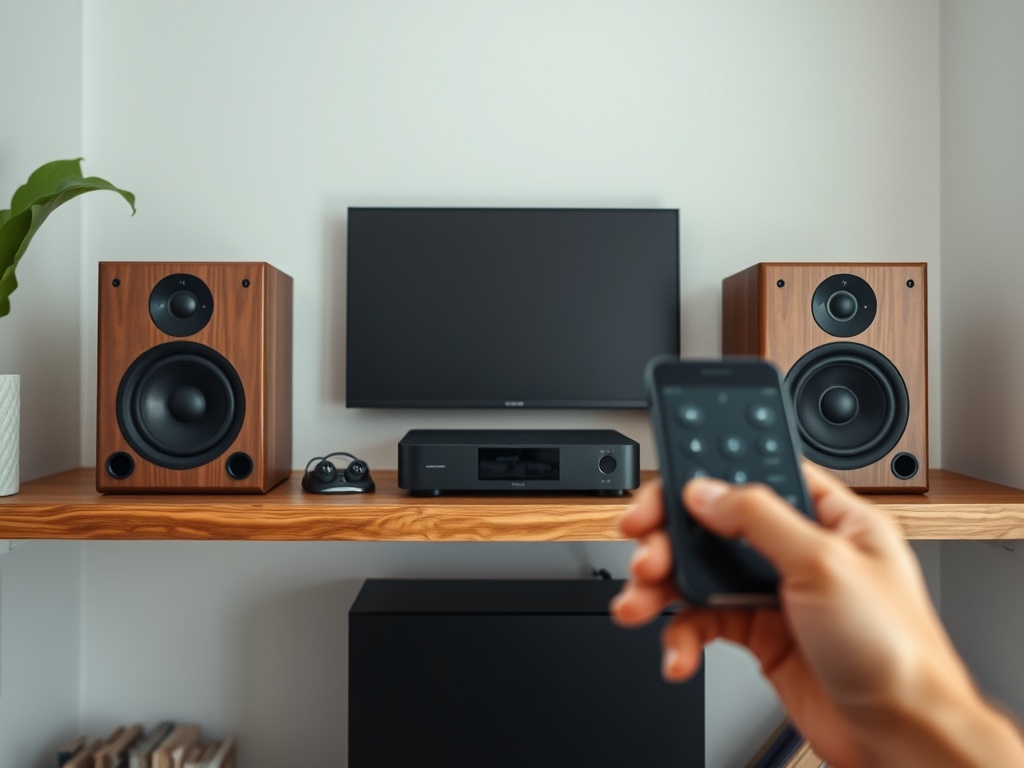
A lossless service can sound no better if your playback chain compresses or resamples the signal. Wireless earbuds are convenient, but many Bluetooth connections use lossy codecs. Some smart speakers support higher quality through direct streaming, while others rely on casting methods that may change the audio path. Phones may need dongles or external DACs for hi-res playback. Computers may need audio settings adjusted to avoid unwanted resampling.
Do not buy a subscription only because it says 24-bit/192 kHz. First check the service’s supported devices, your headphone or speaker capabilities, and how you actually listen. If most of your listening happens while commuting with Bluetooth earbuds, catalog and app design may matter more than hi-res support. If you sit with wired headphones and a DAC, then bit-perfect or exclusive playback features may matter much more.
This mirrors how viewers choose watch-tracking apps. The best tool is the one that fits the habit. A person who uses Letterboxd workflows to track films should compare music services with the same practical lens: daily use over theoretical perfection.
Step 4: compare discovery and metadata
Also compare services that market themselves to hi-fi listeners but emphasize different strengths. Some put more energy into editorial notes and album credits. Others focus on social playlists, podcasts, lyrics, or smart-speaker convenience. Qobuz, Deezer, Apple Music, TIDAL, Amazon Music, and Spotify can all feel different even before you judge sound quality, because discovery and library management shape what you hear next.
Lossless listeners often care about credits, versions, labels, release dates, and mastering differences. Some services are better at editorial context, liner-note style information, or classical metadata. Others are stronger at algorithmic recommendations, social sharing, lyrics, or podcast integration.
Make a test playlist with 20 tracks you know well. Include dense rock, quiet acoustic music, electronic bass, vocal jazz, orchestral music, and older recordings. Search for the same albums across services. Check whether the correct masters appear. Note whether gapless playback works for live albums and classical works. Test offline downloads, car playback, and smart-speaker control.
For families, plan management may matter as much as sound. A household already using tools for kids’ streaming profiles should compare music family plans, explicit-content controls, and profile separation before paying for audiophile features.
Step 5: decide when DIY testing is enough
Make the trial fair. Turn off loudness normalization if you want a purer comparison, or leave it on if that is how you normally listen. Download a few albums offline, test a weak Wi-Fi area, and try your most-used speakers before judging the app.
Most listeners can compare services themselves with a free trial or one paid month. Use the same headphones, same device, same volume, and same tracks. Avoid switching volume levels because louder often feels “better.” If you cannot hear a consistent difference, choose based on catalog, app design, recommendations, and price.
Get help when the system becomes more technical: external DACs, network streamers, room correction, powered speakers, or multi-room audio. A hi-fi dealer or experienced installer can help match hardware to the service. That is especially useful if you want lossless playback across a living room rather than one pair of headphones.
The subscription that your ears and gear can use
Pick the service that fits your listening chain. A high-spec plan is wasted if your devices compress it, and a technically modest plan can still be the best choice if it has your music, works everywhere you listen, and makes discovery enjoyable. Run a focused trial, keep notes, and cancel the plan that only looks better on paper.